







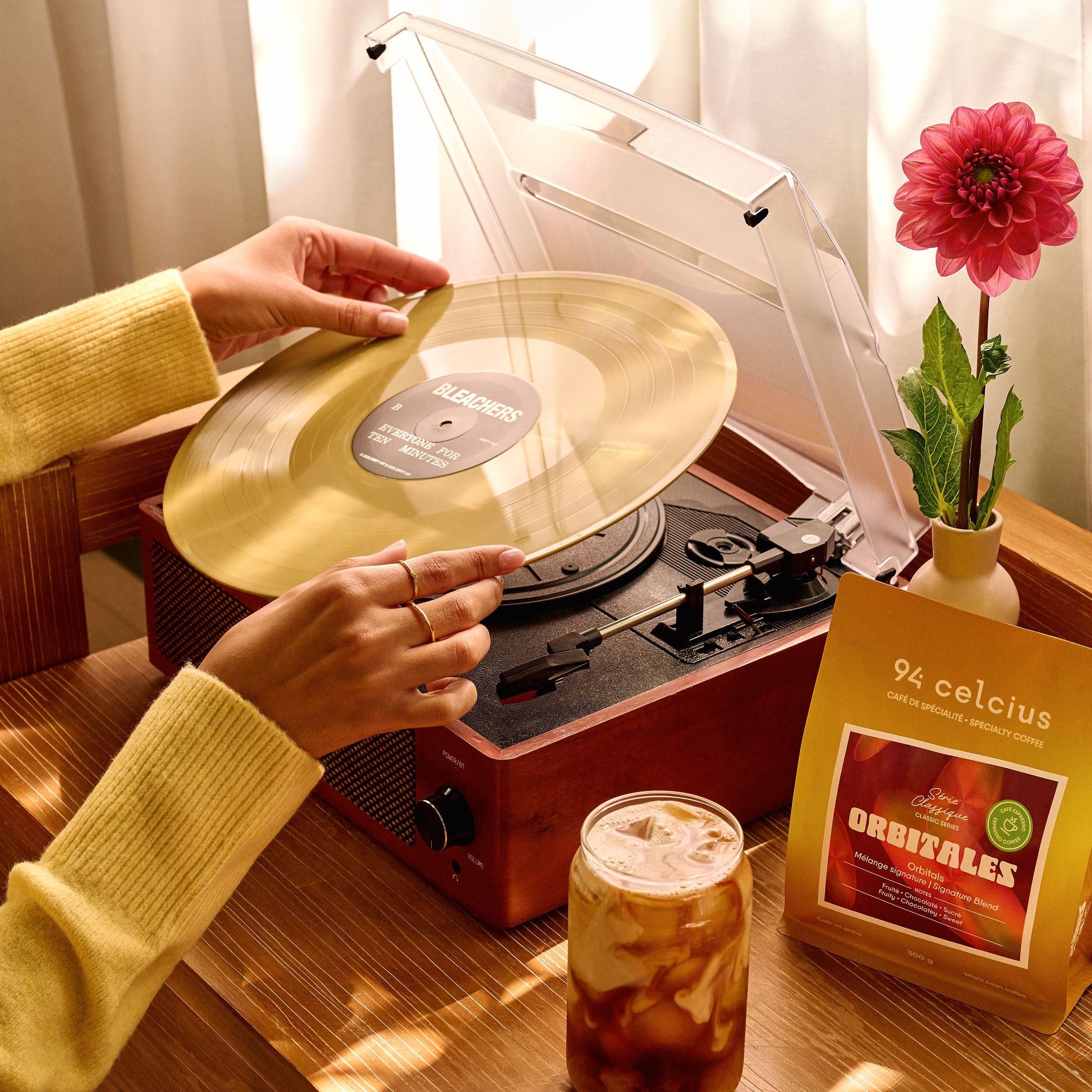
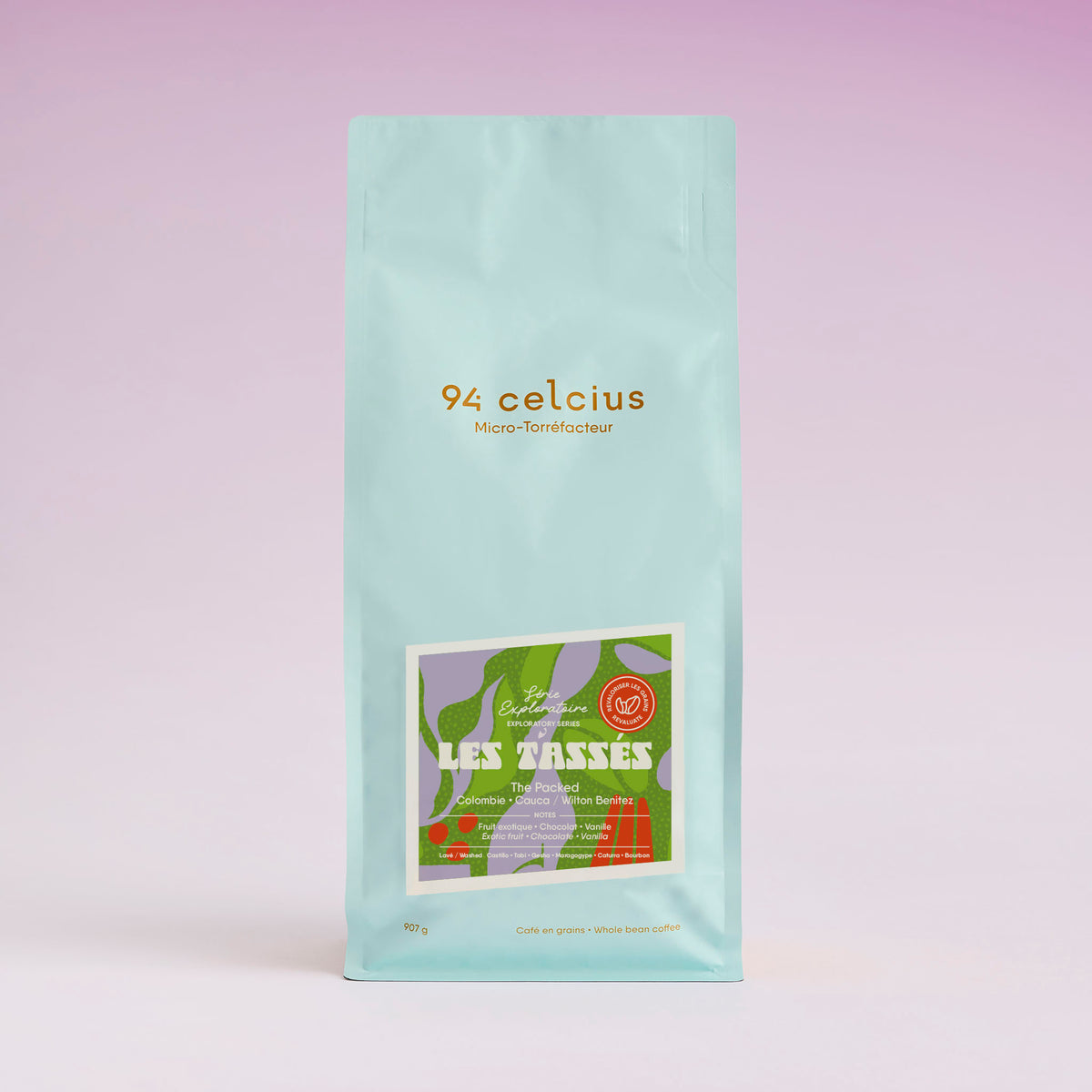
Cold Brew is one of the best ways to enjoy specialty coffee on hot days. Thanks to a slow, cold infusion, usually between 12 and 18 hours, it results in a naturally sweet, low-bitterness, and incredibly refreshing cup. Depending on the coffee chosen, you might find notes of chocolate, caramel, tropical fruits, or even citrus.
At 94 Celcius, we don't recommend just any coffee for this method. Every coffee in this collection has been selected because it retains all its aromatic richness when cold extracted. Washed coffees generally offer a clean and balanced cup, natural processes further develop ripe fruit notes, while some coffees from innovative fermentations reveal surprising flavors of mango, peach, or berries. Our light and precise roasting preserves this complexity right into your glass.
Our Favorite Coffees for Cold Brew
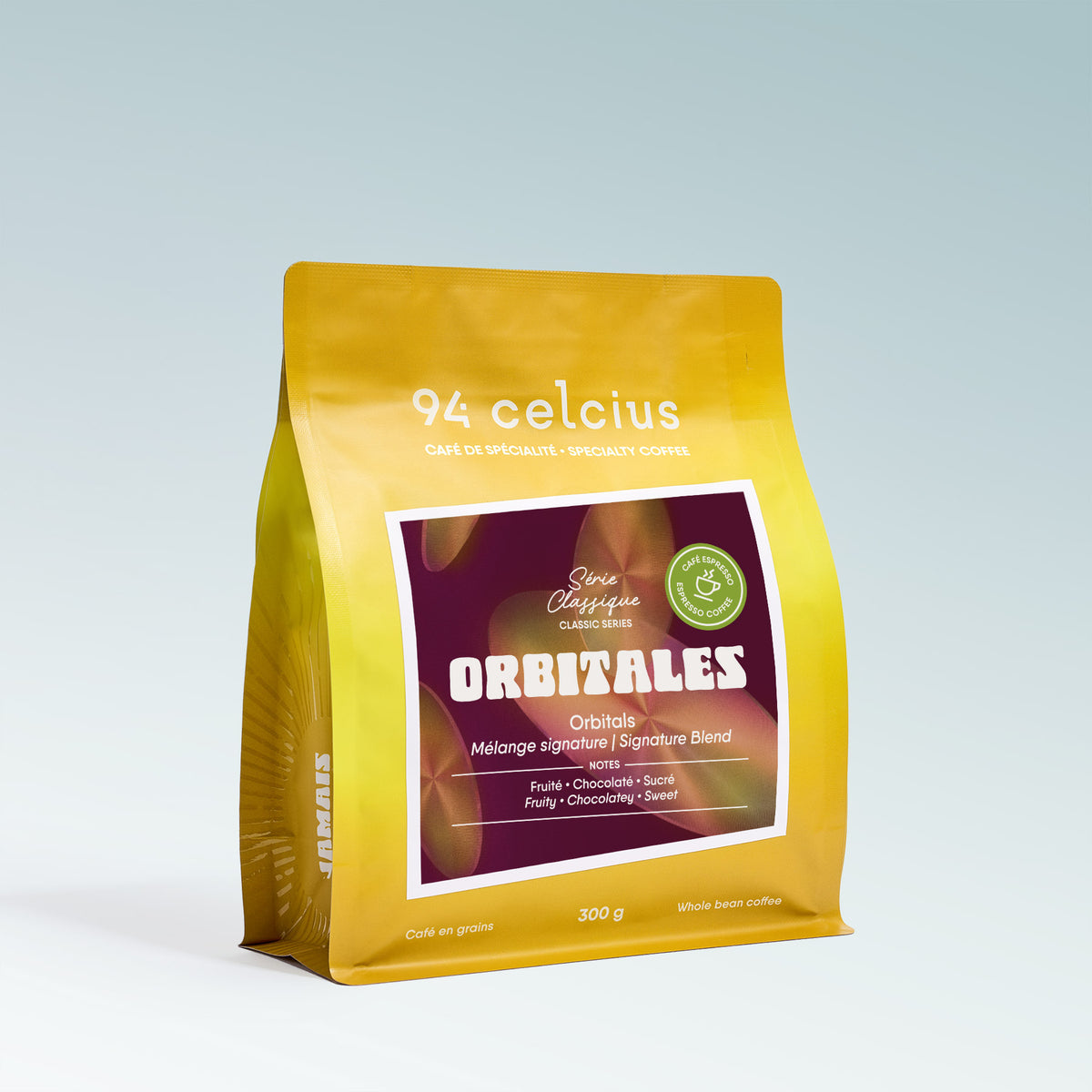
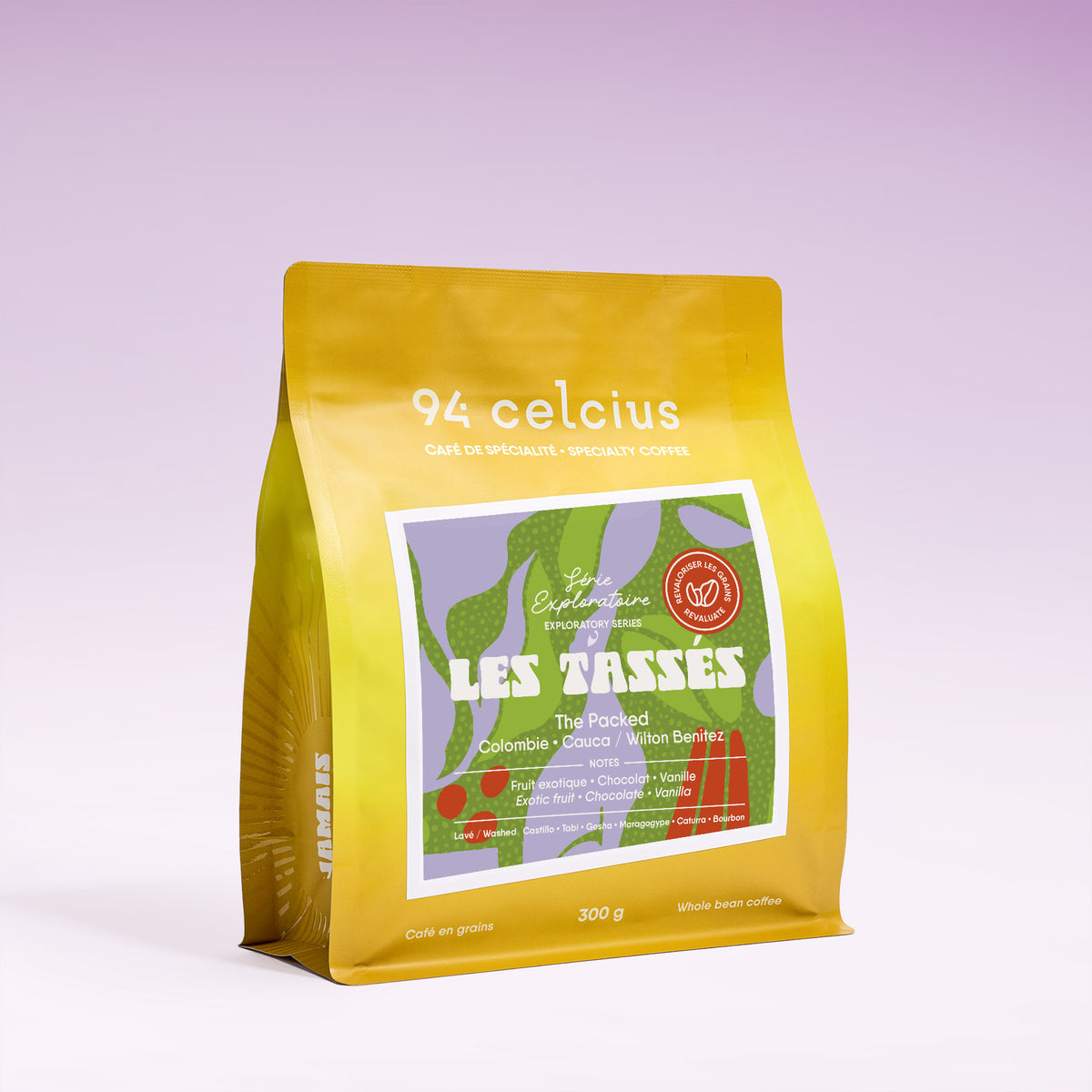
Whether you're looking for a gourmet, chocolatey coffee or a vibrant, fruity profile, this selection includes the coffees we use and recommend ourselves for preparing an excellent Cold Brew or homemade iced coffee.
Our Signature Cold Brew Recipe
This is probably the question we get most often in the summer: how do we make Cold Brew at 94 Celcius? After many trials, here is the method we use at the roastery to get a concentrated Cold Brew, rich in aromas, smooth, and perfectly balanced.
We start with 100 g of freshly ground coffee (coarse grind). Pour 100 g of water at 94 °C to uniformly moisten all the grounds, then let the coffee bloom for 45 to 60 seconds. This step allows the coffee to release its CO₂, promoting more uniform extraction and an even more aromatic cup.
Then add 400 g of cold or chilled water to reach a total of 500 g of water, stir gently, and let infuse for 16 hours in the refrigerator. Once the infusion is complete, carefully filter using a paper filter, a V60, or your preferred filtration method.
You will get a concentrated Cold Brew, ideal to be served as 1 part concentrate to 1 part water to prepare a balanced iced coffee, or 1 part concentrate to 1 part milk for a creamy iced latte. Always serve over a generous amount of ice.
The small detail that makes all the difference at 94 Celcius is the hot bloom. This step improves the extraction of aromatic compounds while retaining the characteristic sweetness of Cold Brew. The result is a more expressive, complex, and remarkably balanced coffee.
Our Flash Brew Recipe
Craving an iced coffee ready in minutes? Flash Brew, also known as Japanese Iced Coffee, is the ideal method for preserving all the vibrancy and aromas of the coffee.
We recommend using 20 g of freshly ground coffee (medium grind), 200 g of water at 94 °C, and 120 g of ice. Place the ice directly in your server or carafe, then prepare your filter coffee by pouring the 200 g of hot water over the coffee. The coffee flows directly onto the ice, instantly chilling the brew and preserving its most delicate aromas.
The result is a clear, refreshing, and very aromatic iced coffee, particularly highlighting the floral, fruity, and most complex profiles in this collection. Serve immediately over ice and enjoy.
FAQ – Iced Coffee, Cold Brew, and Flash Brew
What's your recipe for making Cold Brew?
We often get this question. Here's the method we use at 94 Celcius to obtain a concentrated Cold Brew, rich in aromas and perfectly balanced.
Ingredients
- 100 g of freshly ground coffee (coarse grind)
- 500 g of filtered water
- Water at 94 °C for the bloom
- Cold or chilled water to complete the infusion
Preparation
- Place the 100 g of coffee in your container.
- Pour 100 g of water at 94 °C to uniformly wet all the grounds.
- Let the coffee bloom for 45 to 60 seconds. This step helps degas the coffee and promotes a more uniform extraction.
- Then add 400 g of cold water to reach a total of 500 g of water.
- Stir gently.
- Place the container in the refrigerator for 16 hours.
- Filter carefully using a paper filter or a V60.
You get a concentrated Cold Brew, perfect for serving over ice or diluted according to your preferences.
How to serve it?
- 1 part concentrate + 1 part water for a balanced iced coffee.
- 1 part concentrate + 1 part milk for an iced latte.
- Serve over a large amount of ice.
💡 94 Celcius Tip
Hot blooming is a step we particularly appreciate. It improves the extraction of aromatic compounds while maintaining the characteristic sweetness of Cold Brew. The result is often more expressive and complex than an entirely cold infusion.
What's the best coffee for iced coffee?
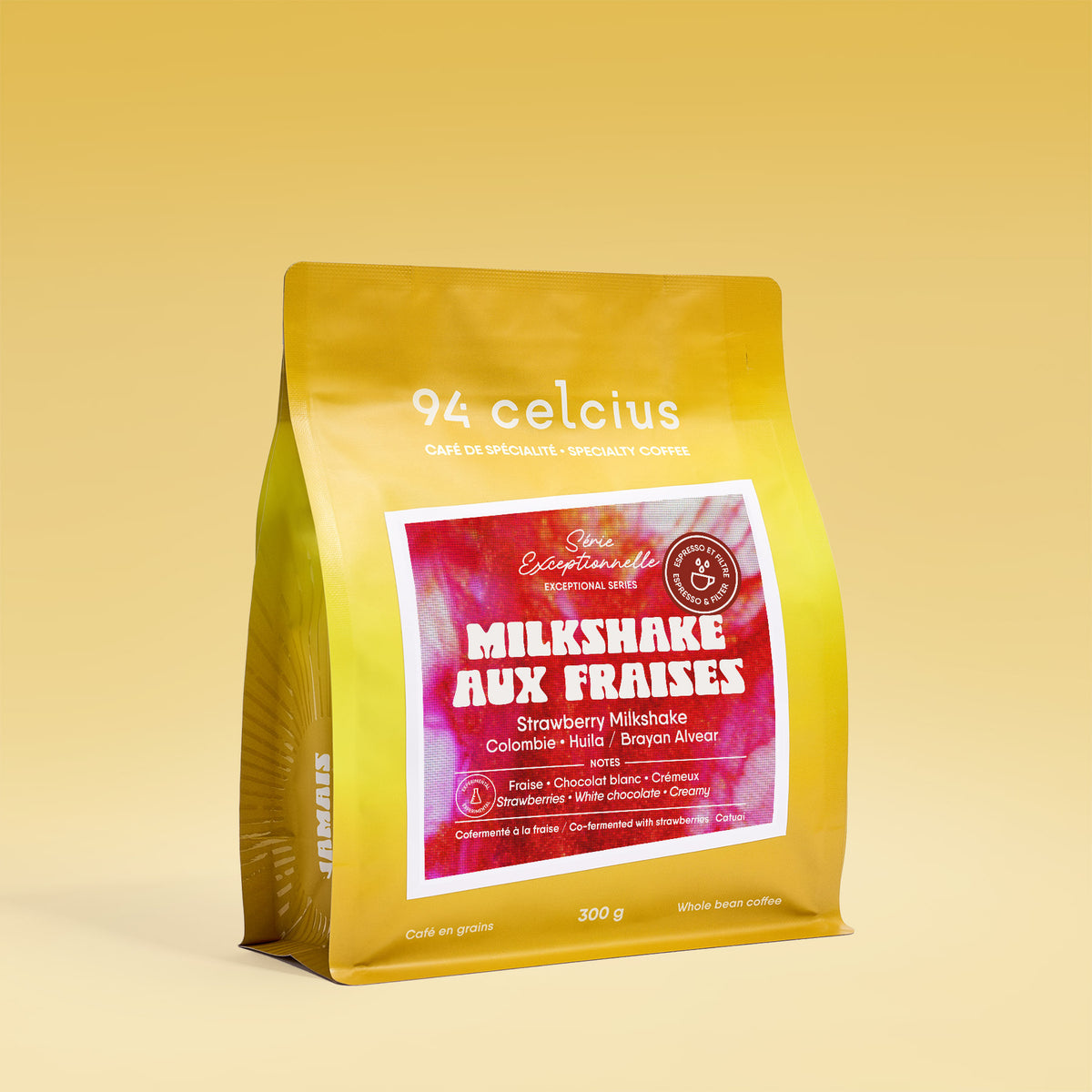
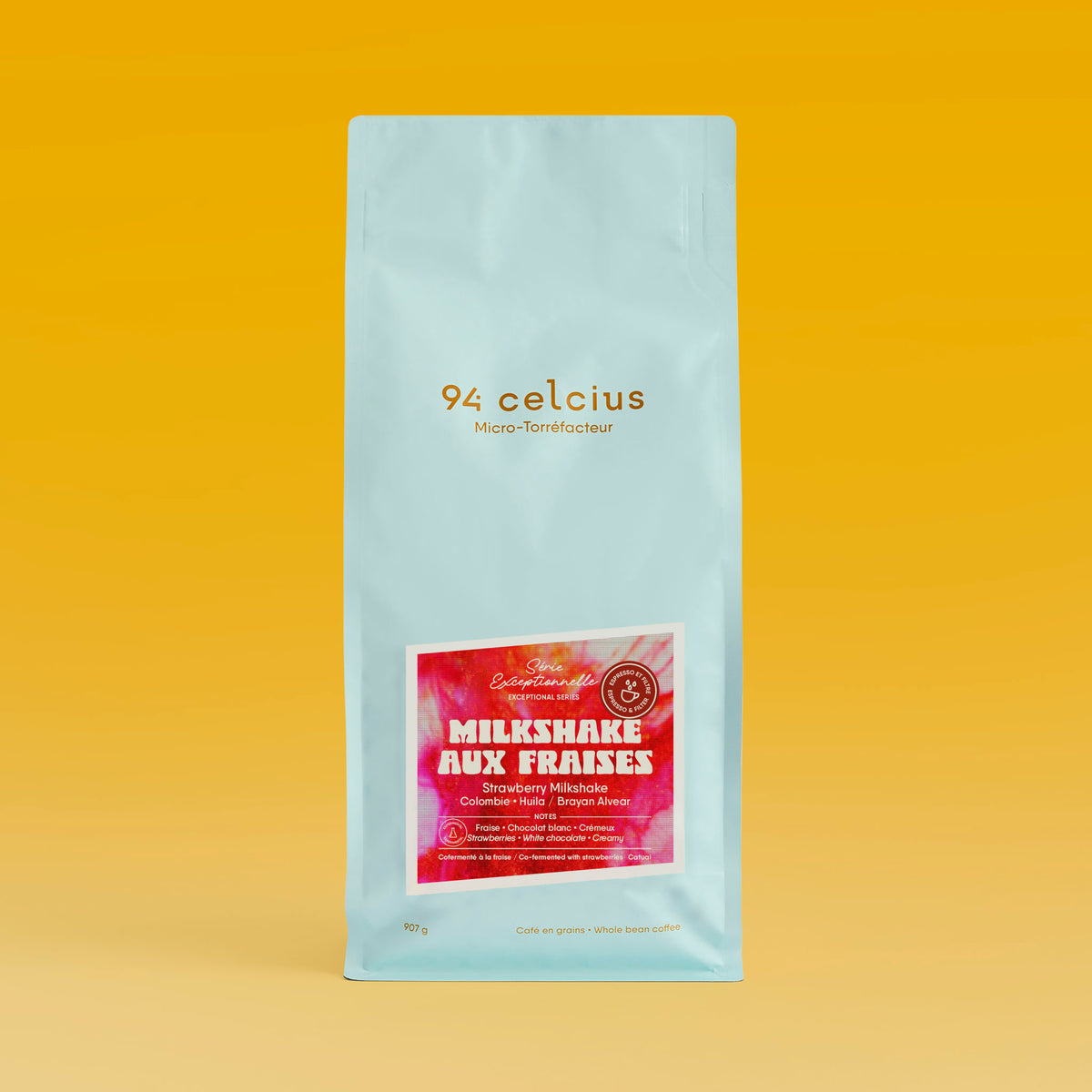
The best coffees for iced coffee offer a lovely sweetness and good aromatic complexity, even when served cold. Coffees with fruity, chocolate, or floral notes generally produce excellent results in both Cold Brew and Flash Brew. For our part, we also like to use our co-fermented coffees for Cold Brew.
Can I use any coffee for a Cold Brew?
Yes, but some coffees offer a better result. We have selected specialty coffees that retain their balance, sweetness, and aromas when brewed cold.
What is the difference between a Cold Brew and a Flash Brew?
Cold Brew is made by steeping coffee in cold water for several hours. It produces a smooth, round, low-acid cup. Flash Brew, also known as Japanese Iced Coffee, involves brewing hot coffee directly over ice to better preserve the coffee's aromas and natural acidity.
How long should I steep Cold Brew for?
Most recipes recommend steeping for 12 to 18 hours in the refrigerator. The exact time depends on the coffee used, the grind, and the desired strength.
Are these coffees as good when hot brewed?
Yes. All the coffees in this collection can also be prepared as filter coffee, espresso, or with other brewing methods. They were simply selected because they also deliver excellent results as iced coffee.
What grind size should I use for cold brew?
A coarse grind is generally recommended for Cold Brew. If you choose the ground coffee option when ordering, we can prepare the grind suitable for your brewing method. The coarse grind is the most suitable given the long brewing time.