






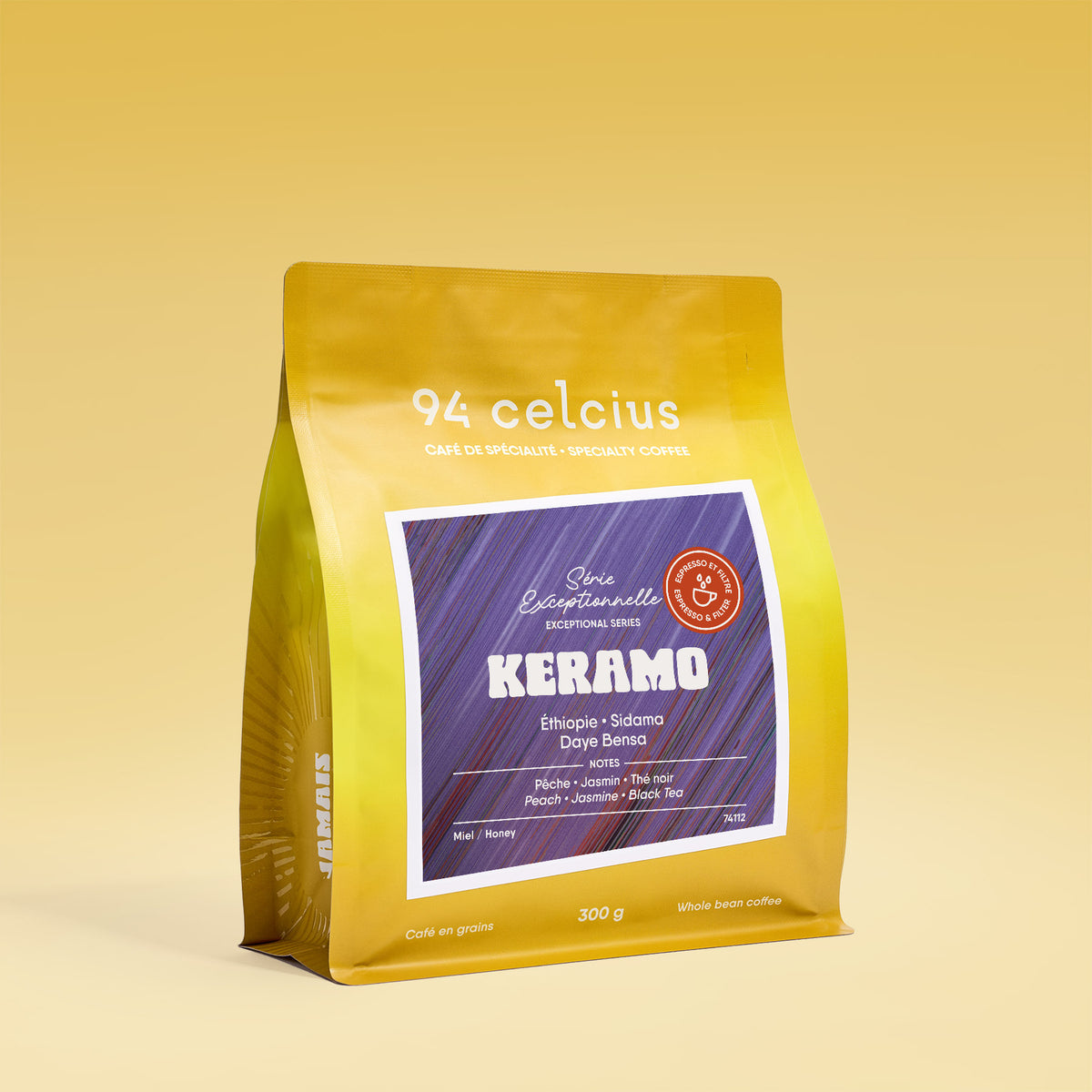
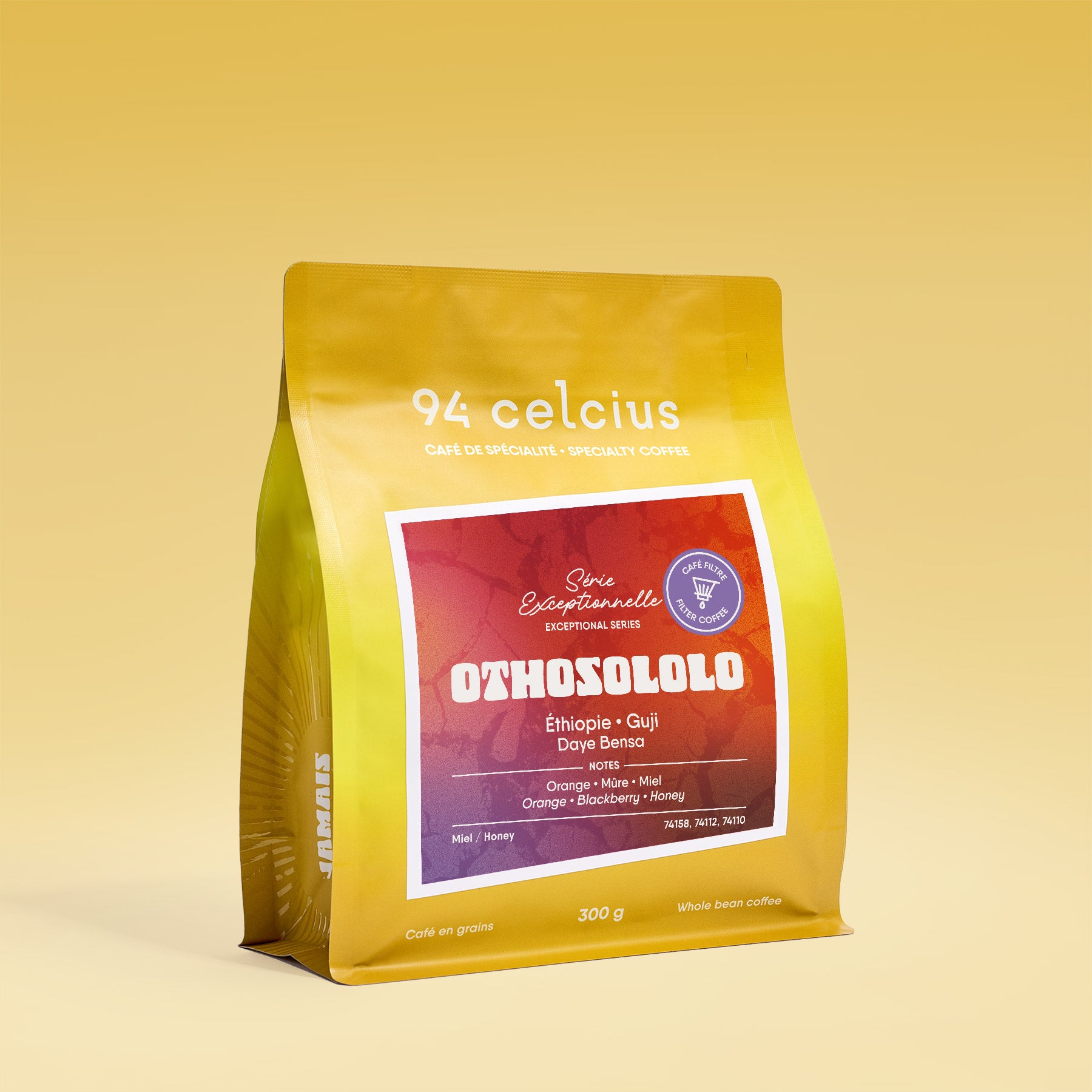
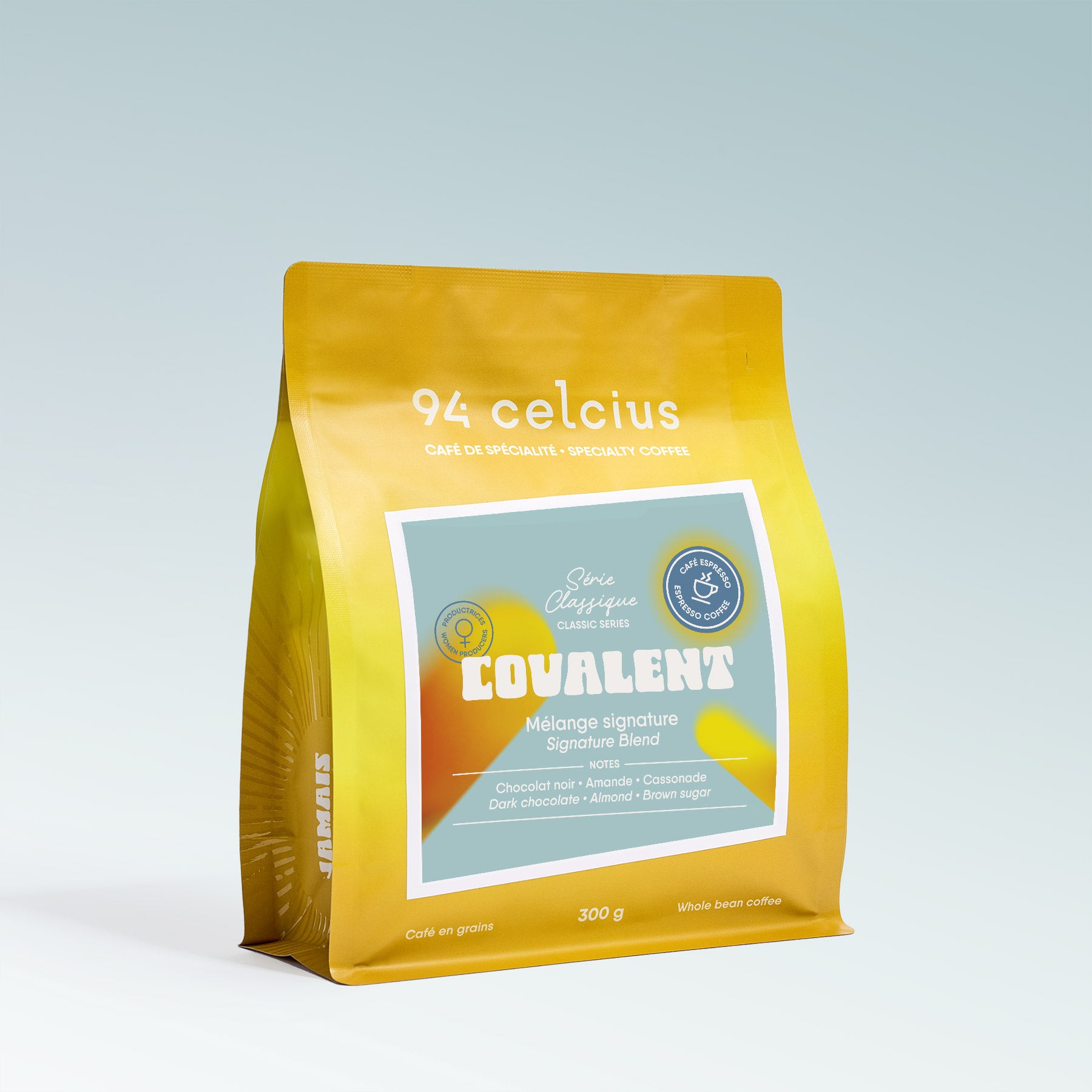
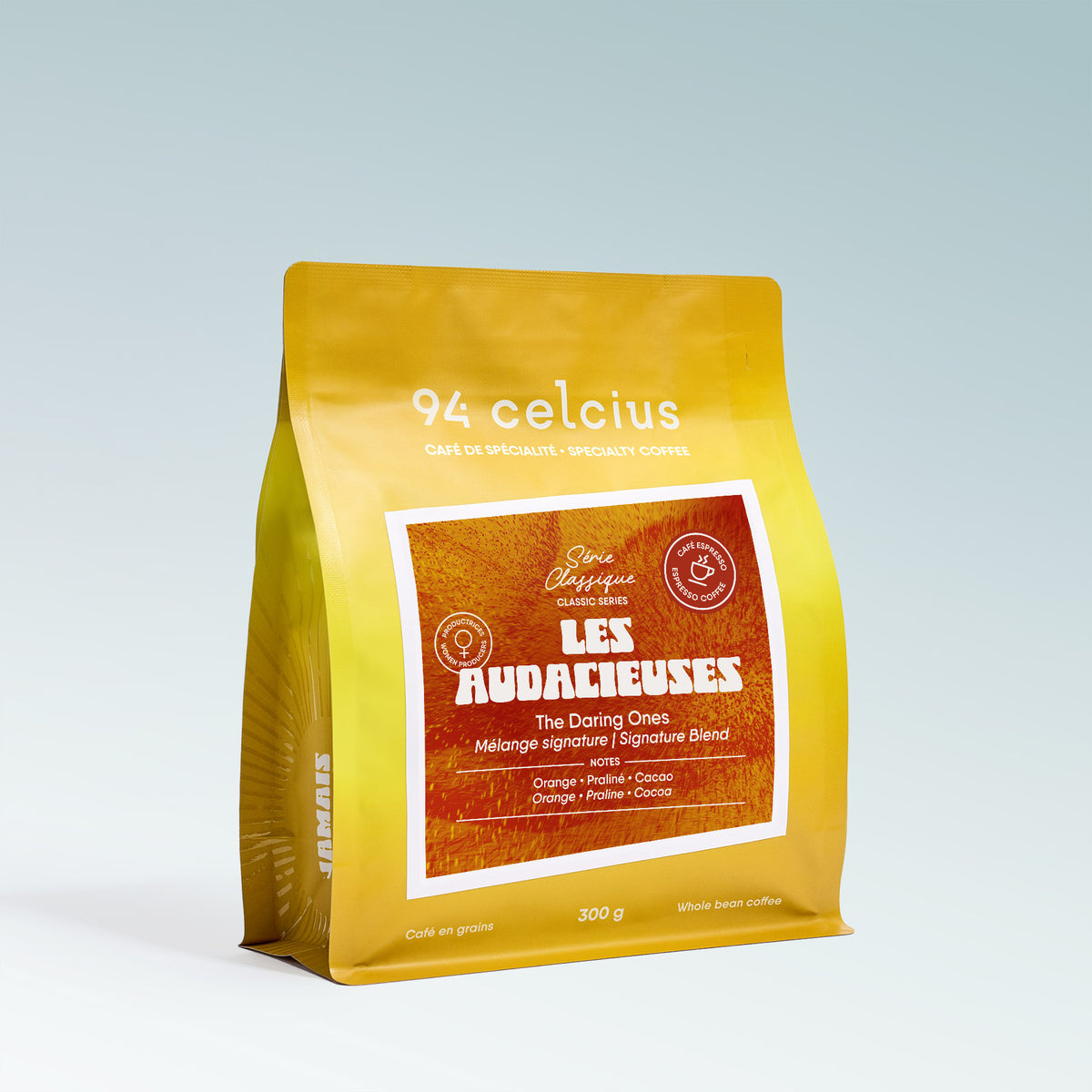
What defines a specialty coffee
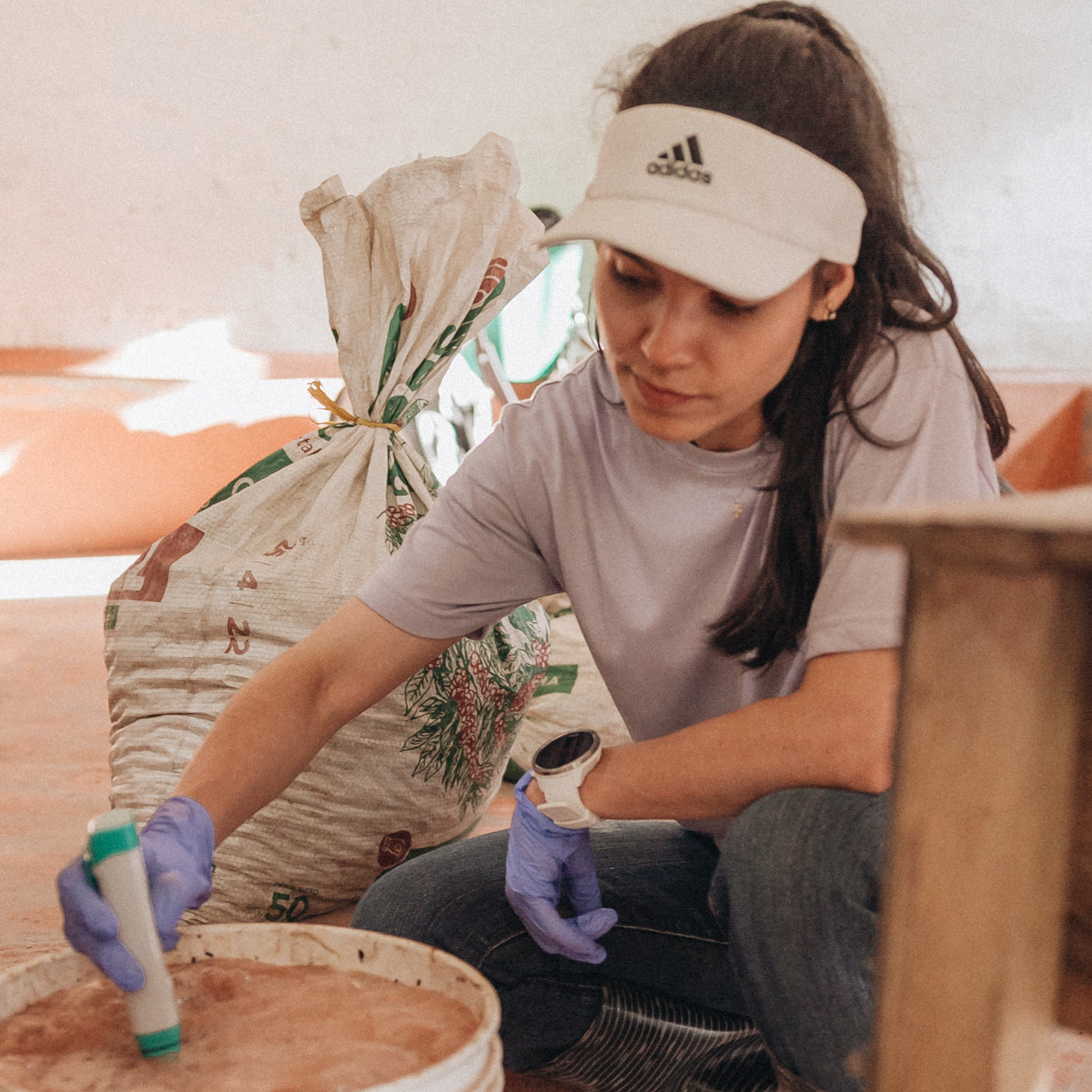
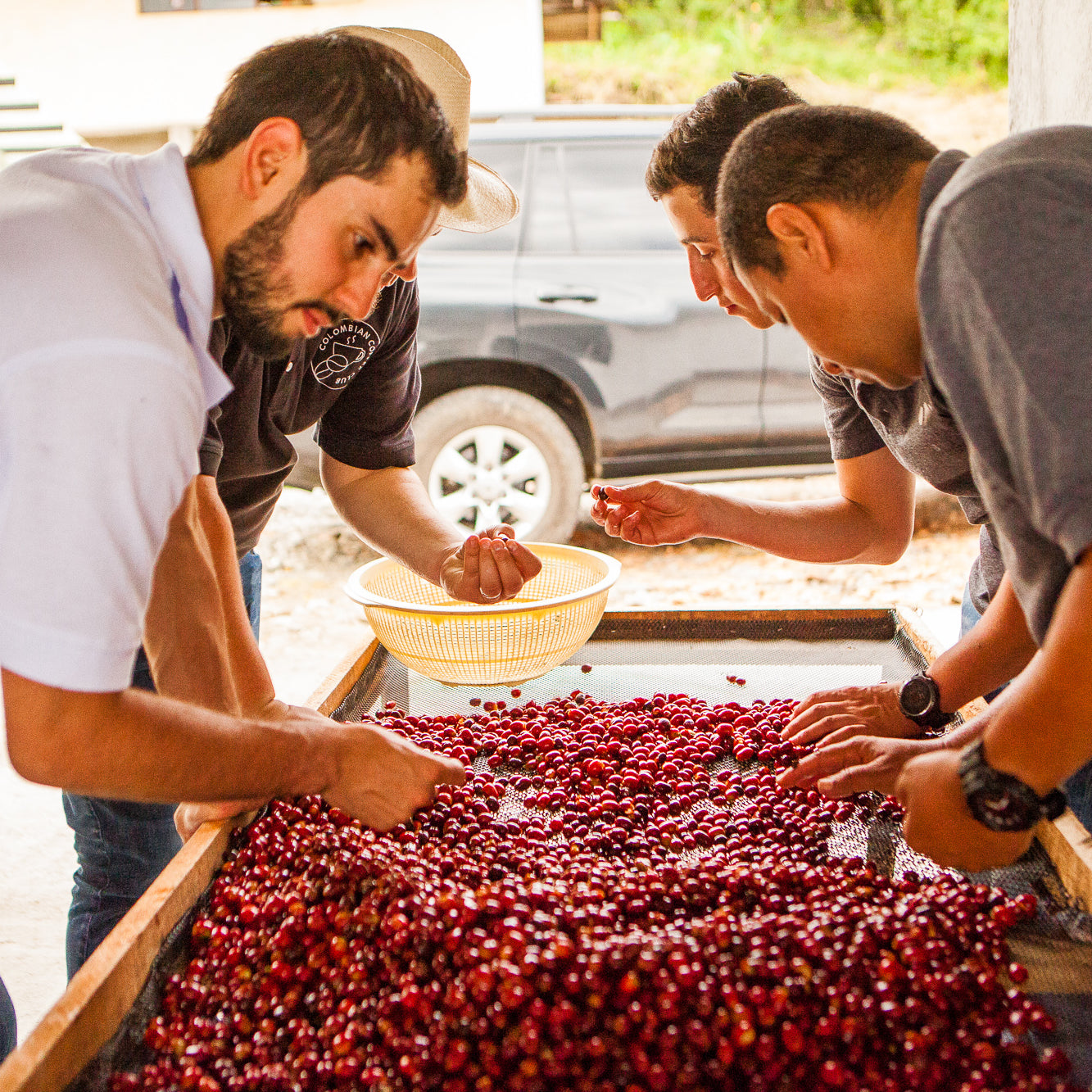
A specialty coffee scores above 80 out of 100 in an evaluation run by the Specialty Coffee Association (SCA), carried out by certified Q-Graders who judge aroma, acidity, body, and finish on both the green and roasted bean. Below that threshold, coffee falls into the commercial category, where price matters more than origin or lot. At 94 Celcius, every lot in this collection scores above 85 points, five points above the minimum that defines the category.
A standard born in 1974
The term specialty coffee was coined by Erna Knutsen in 1974 to describe beans distinguished by unique characteristics rather than price alone. To qualify, a lot can't show any major defects and is limited to five minor defects in a 350-gram sample of green beans. The article what is specialty coffee breaks down the evaluation method, known as cupping.
Traceable back to the farm
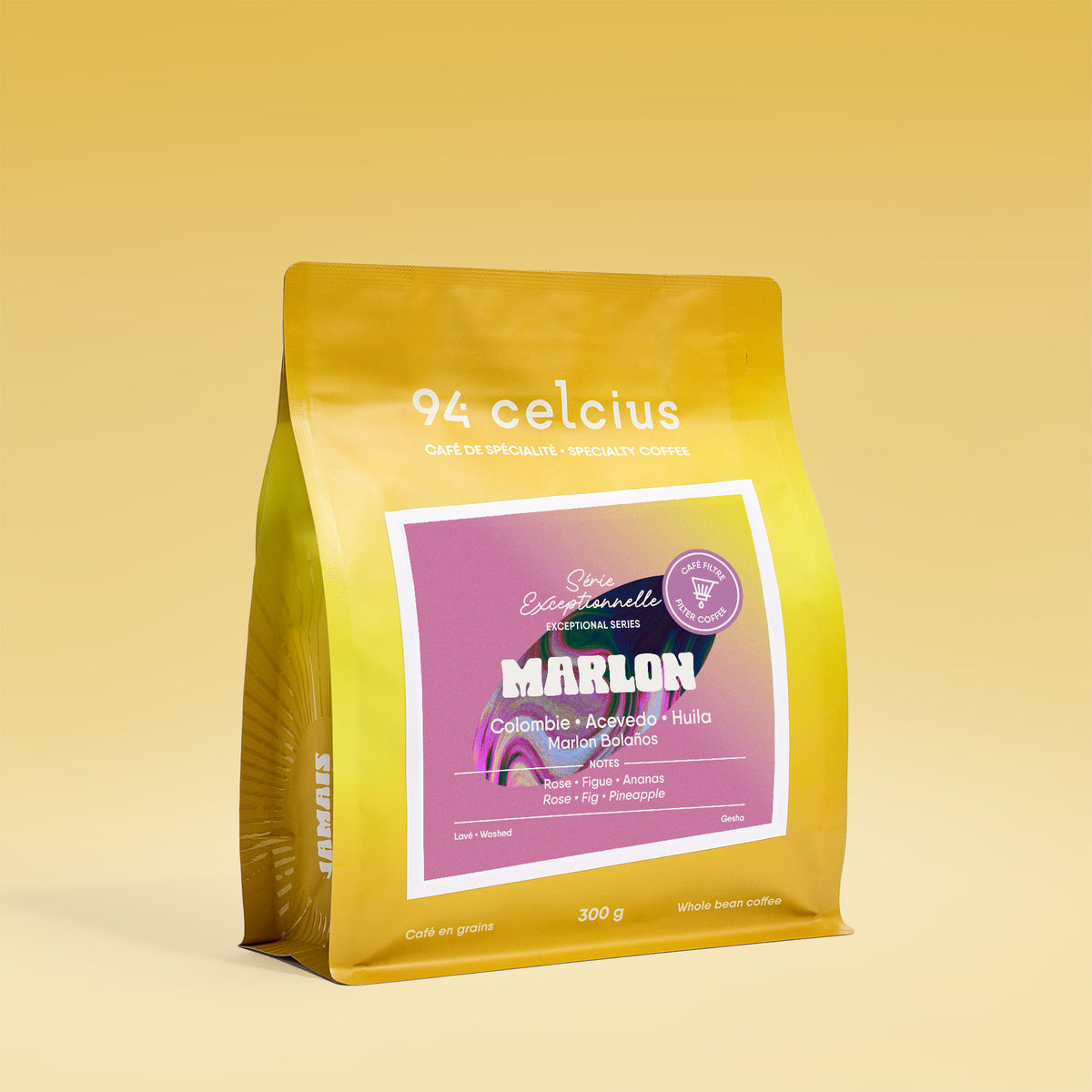
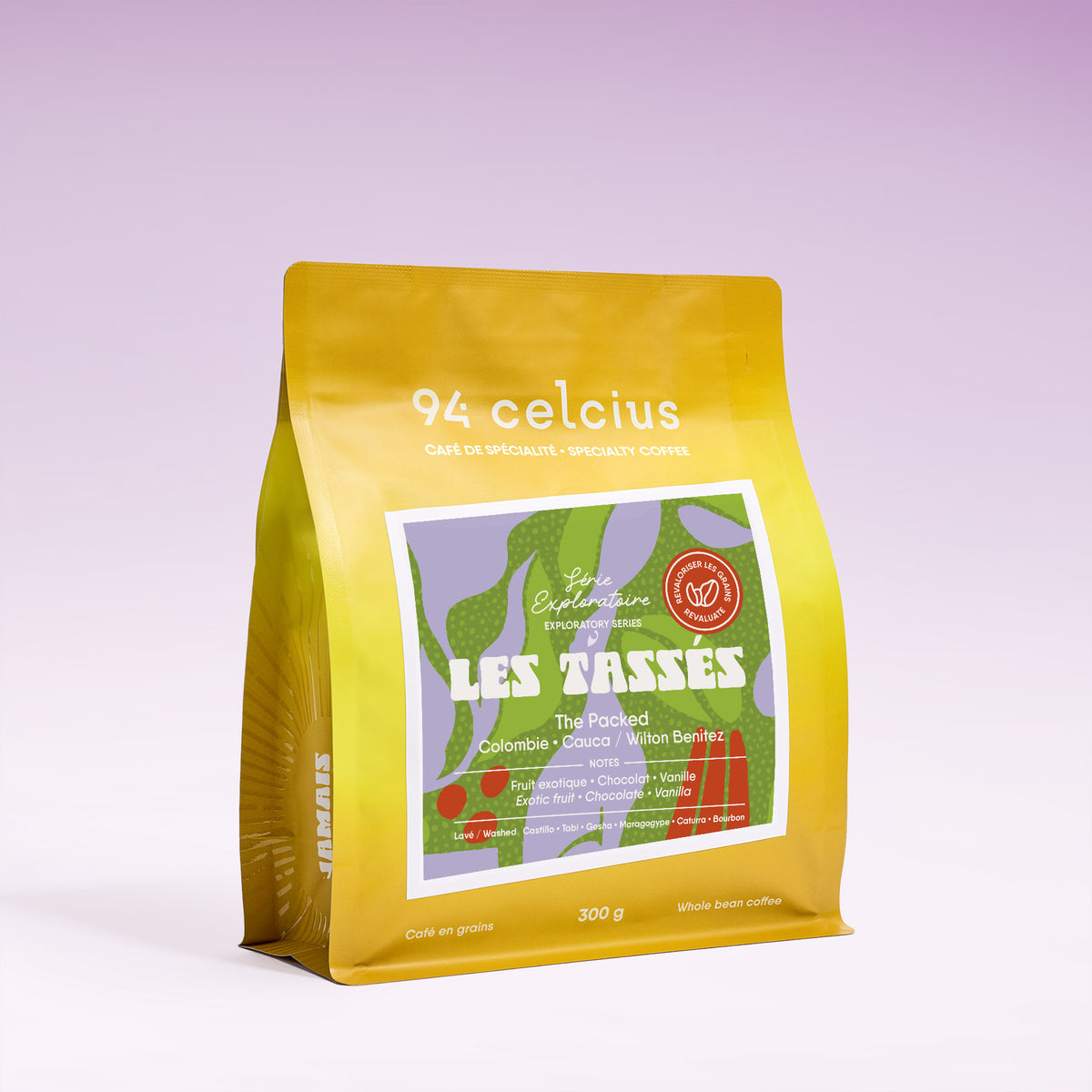
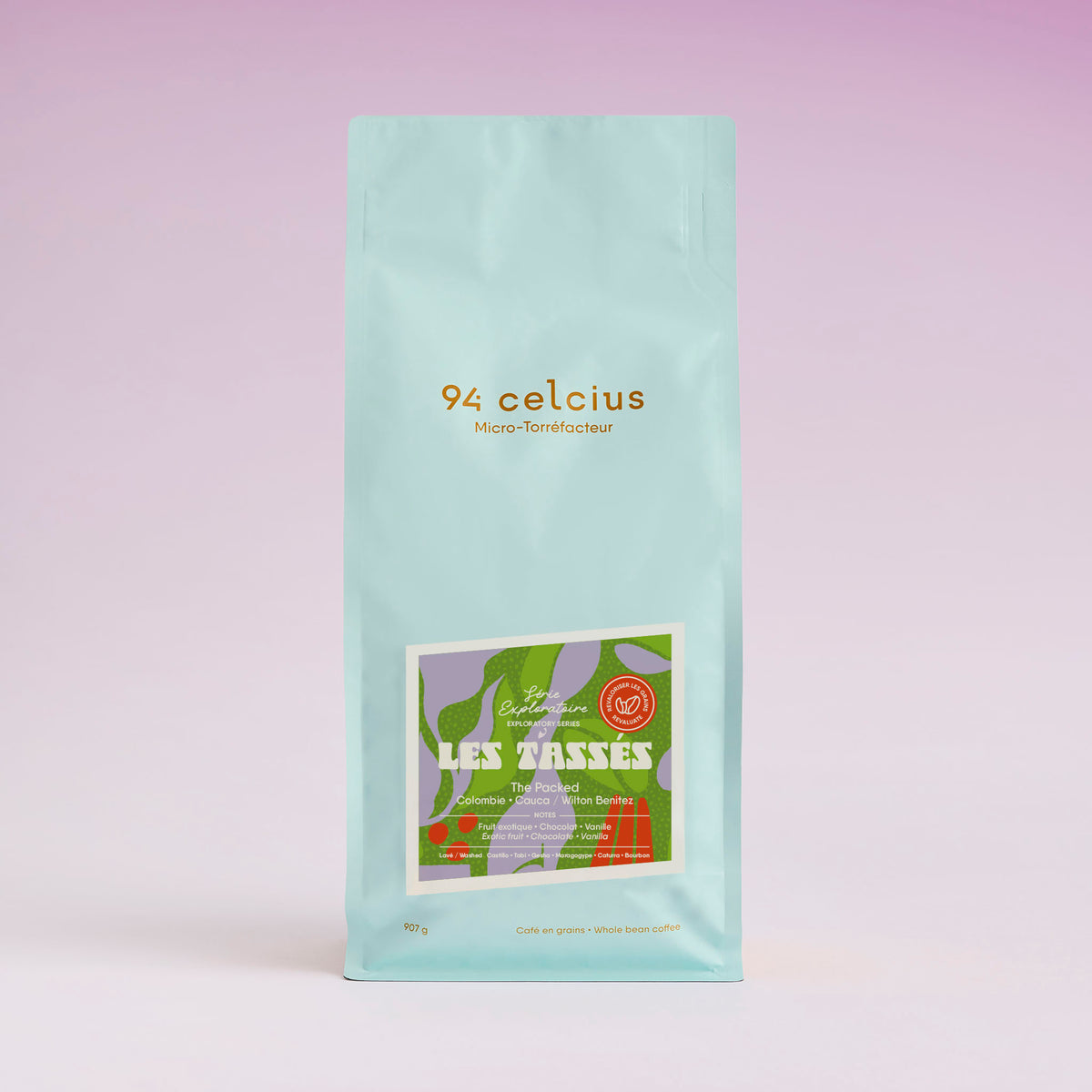
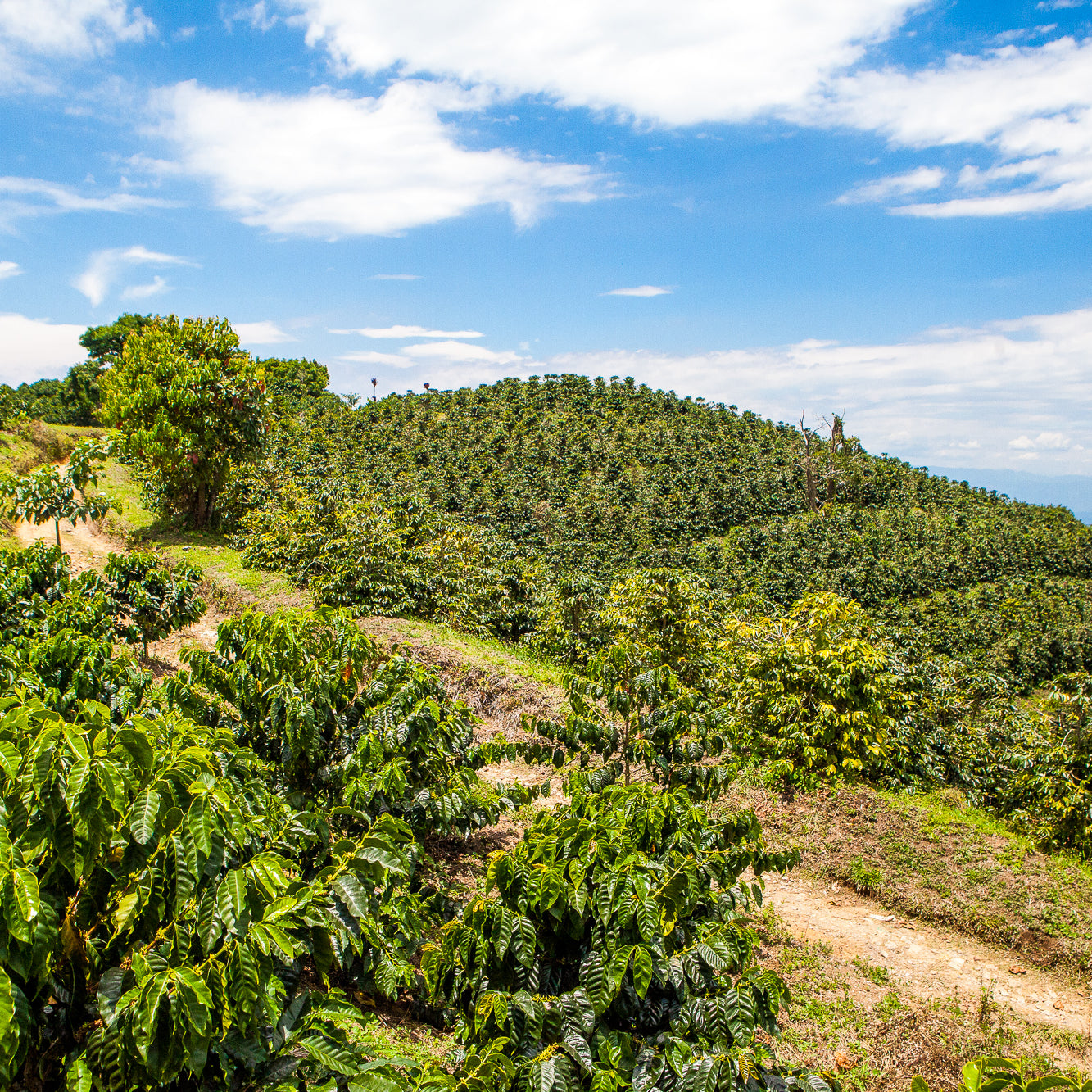
Every bag lists the originating farm or cooperative and the processing method, washed, natural, or fermented. That traceability makes it possible to compare one harvest to the next for the same producer, instead of buying a generic blend reconstituted every year. The Single origin collection groups lots from a single farm, and the Women Producers selection highlights farms run by women.
Roasting matched to each terroir
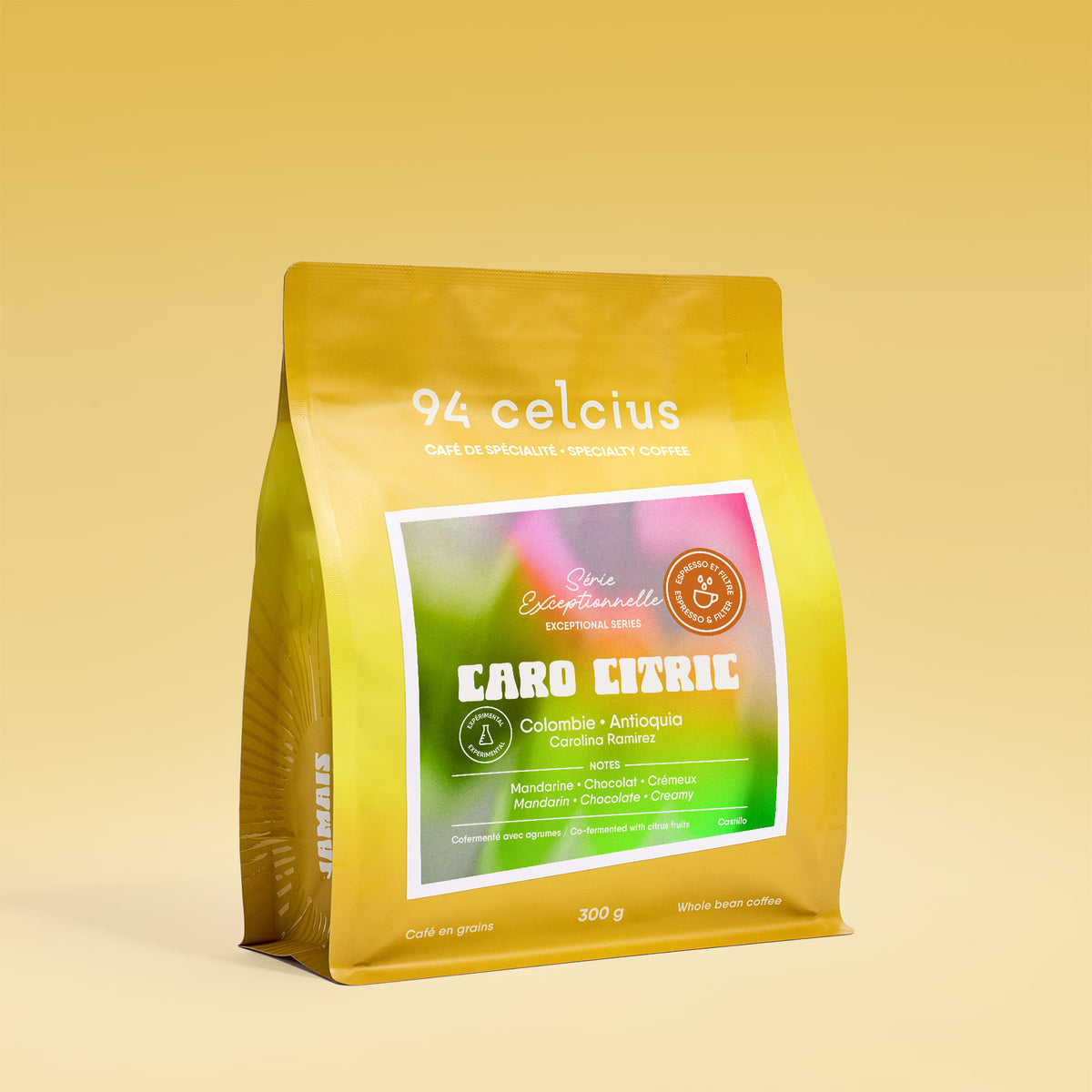
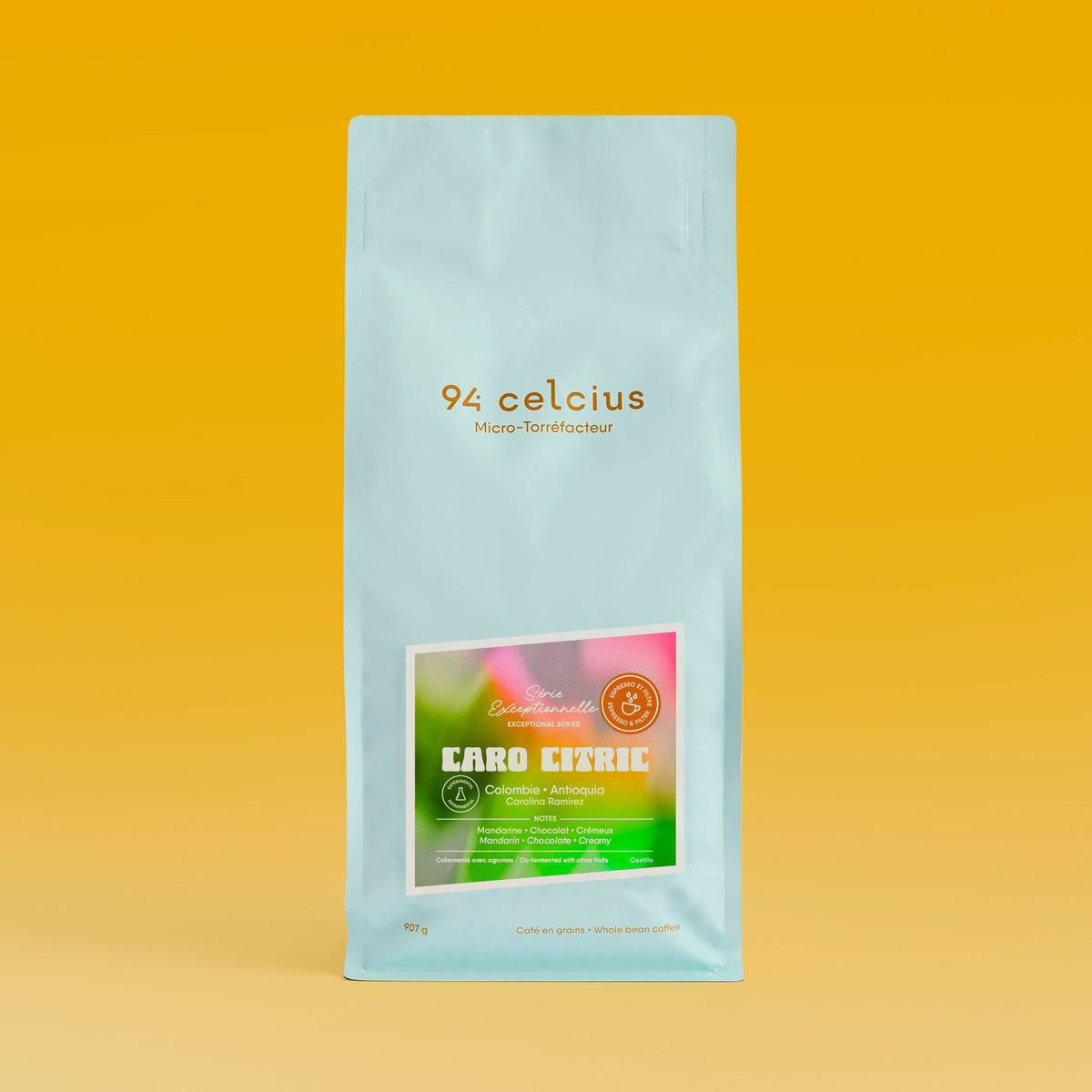
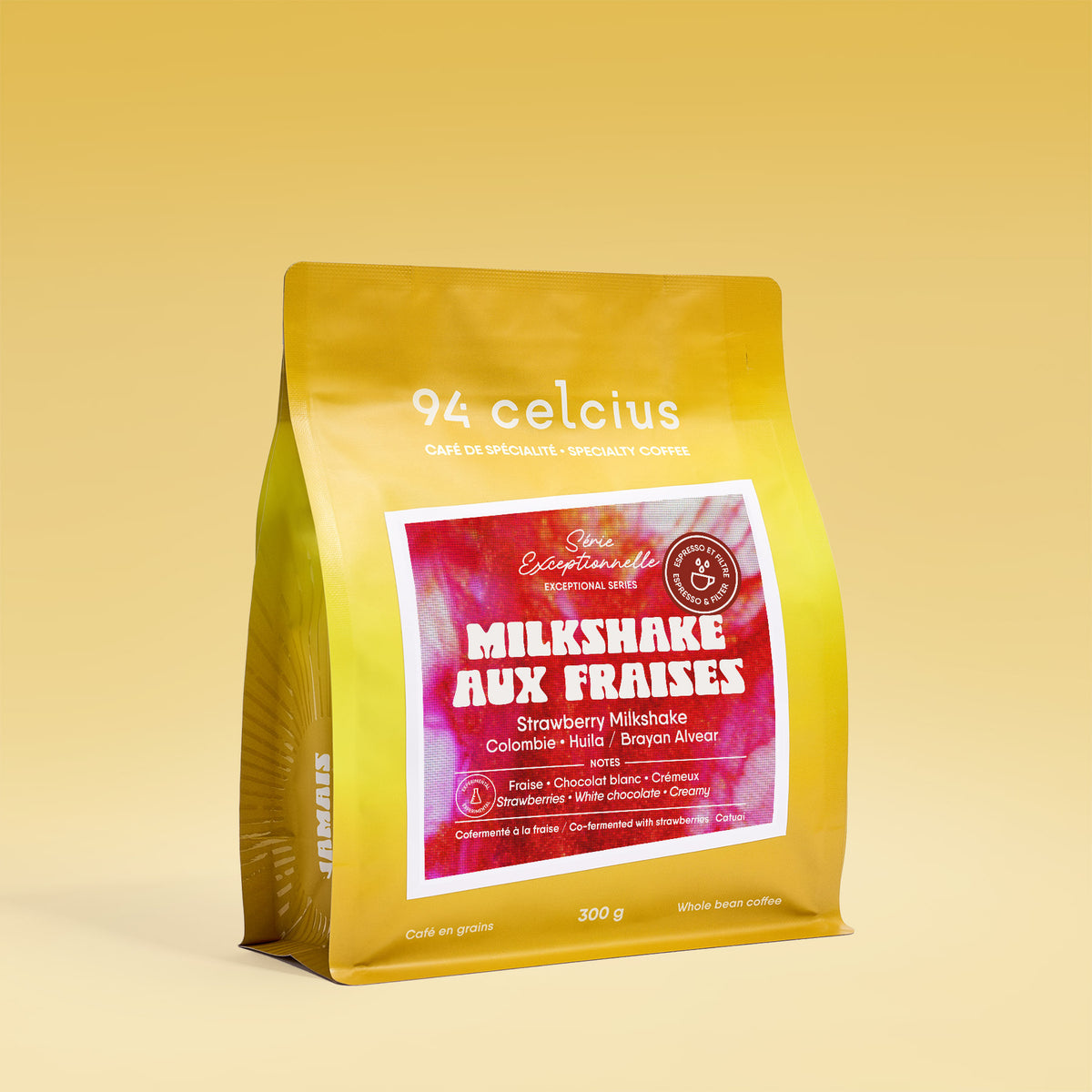
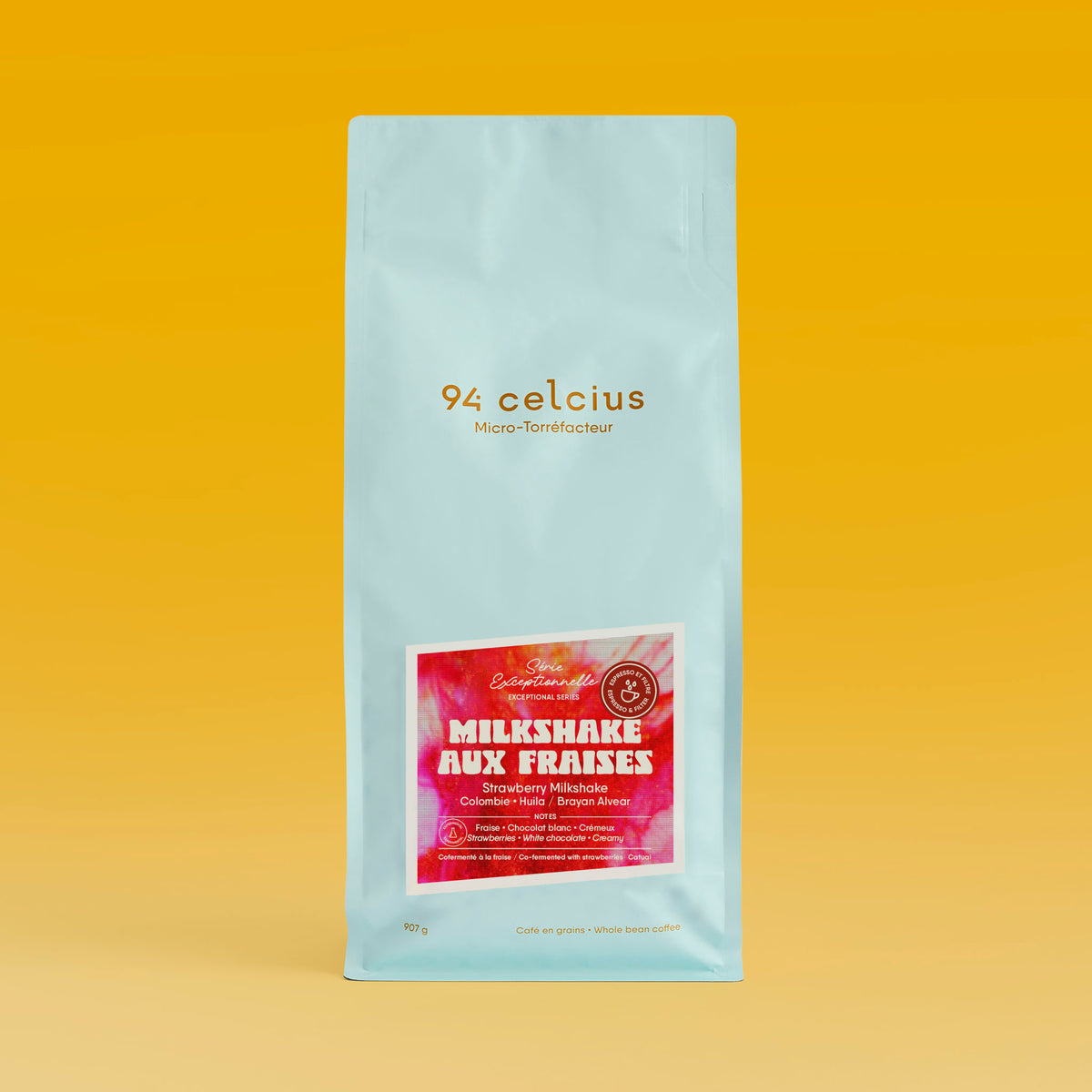
The roast curve changes with the bean's density, growing altitude, and processing method. A light-to-medium roast, favored for these lots, preserves the aromatic nuances specific to each origin instead of flattening them. The article on co-fermentation explains how a controlled fermentation process reshapes the final profile, and the Fermentation Project by James Hoffmann, available at 94 Celcius in Canada, applies the same logic to a series of experimental lots.
Flavor profiles that shift with origin
Ethiopian coffees often reveal floral and fruity notes, close to red berries or citrus. Latin American coffees, Colombian or Guatemalan, tend toward chocolate, caramel, or sweet spice. Other profiles, brighter and more acidic, suit anyone looking for a refreshing cup. The guide to coffee-producing countries maps how each terroir shapes these profiles.
Blend or single origin
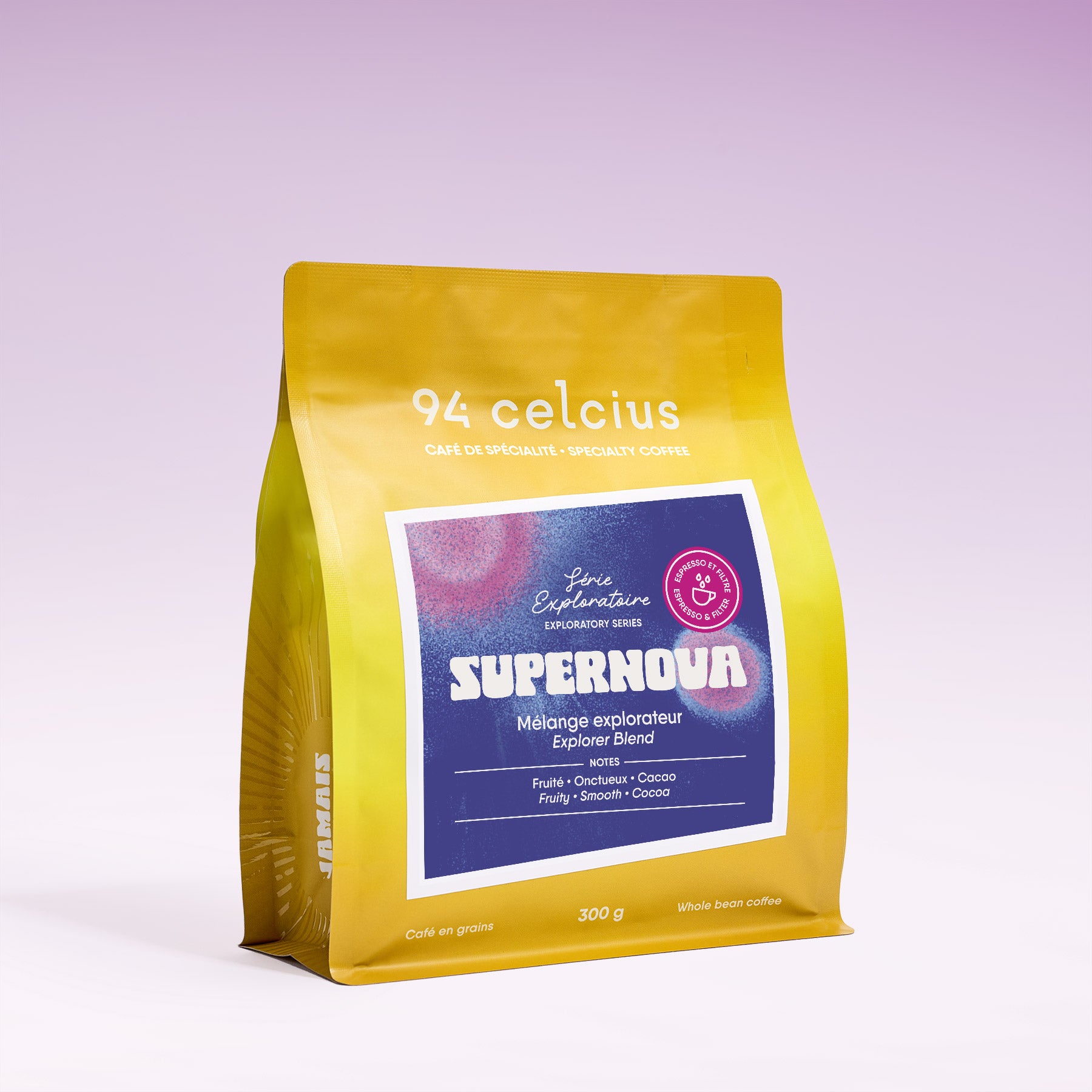
Specialty lots show up in both the Blends collection, which combines several origins for a consistent profile, and the Single origin collection, which follows one farm from harvest to harvest. Both meet the same quality bar; the choice comes down to a preference for consistency or discovery.
Supplying a café, restaurant, or shop
Restaurants, cafés, and distributors who want to serve or resell these same lots can order through the Wholesale page. The current list of retail partners is available on Where to find us.
Get your selection by subscription
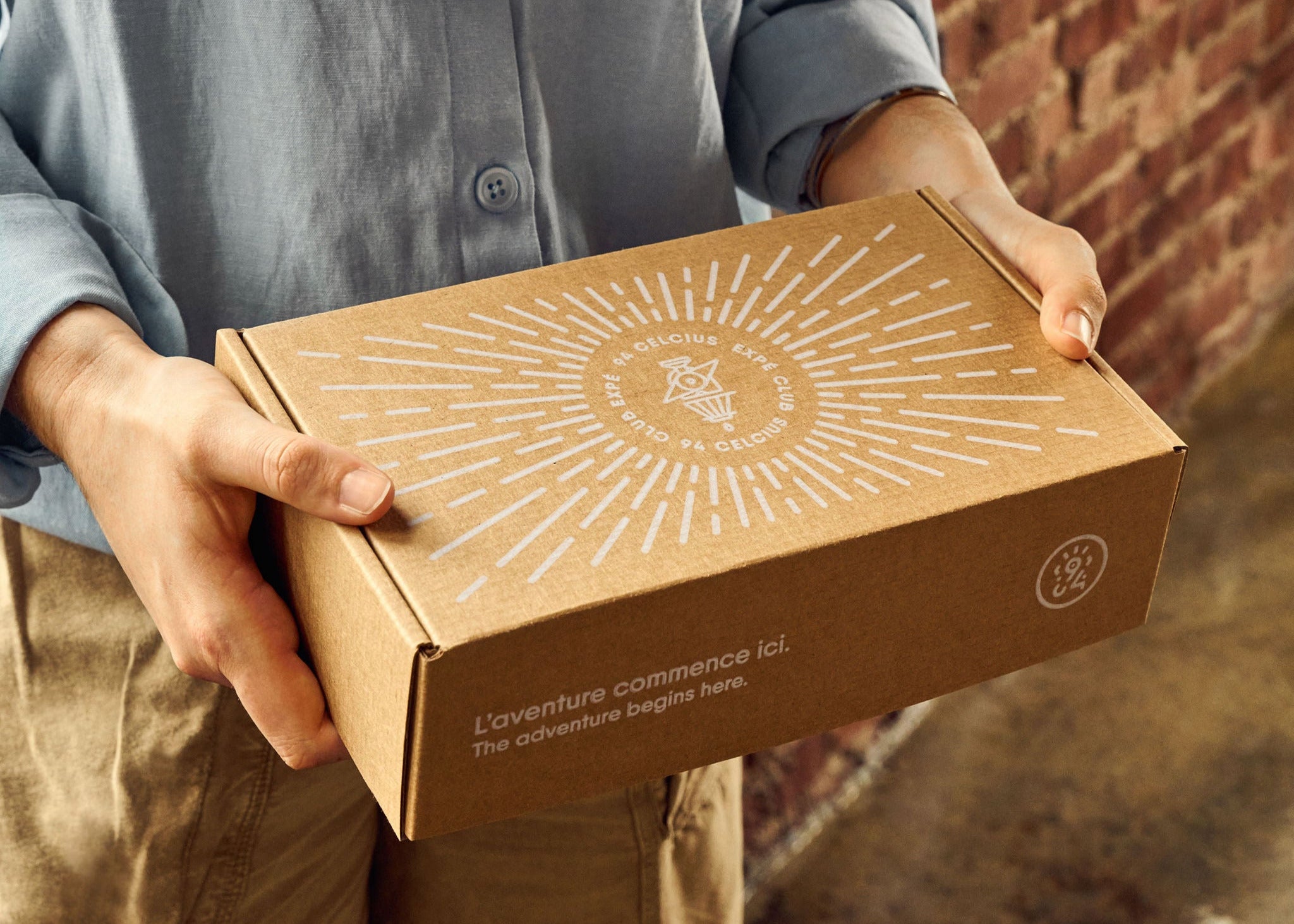
A coffee subscription delivers these same lots on a set schedule, with a 5% discount on every recurring order. Club Expé offers two different origins every month for exploring new profiles without having to choose yourself.
FAQ - Specialty coffee
What sets specialty coffee apart from commercial coffee?
The cupping score, above 80 out of 100 under SCA standards, along with traceability back to the originating farm and the absence of major defects in the evaluated sample. Commercial coffee isn't put through this evaluation and is traded mainly on price.
Who scores a coffee's SCA rating?
Certified Q-Graders, tasters trained to judge aroma, acidity, body, and finish on both the green and roasted bean, following a standardized tasting protocol called cupping.
Is every 94 Celcius coffee above 85 points?
Yes, every lot in our selection scores above 85 points on the SCA scale, five points above the 80-point threshold that defines the specialty category.
How does traceability actually work?
Every bag lists the originating farm or cooperative and the processing method. That information makes it possible to follow one producer from harvest to harvest, instead of buying a generic blend whose origin changes every year without being disclosed.
What's the difference between specialty, organic, and fair trade coffee?
These are three separate criteria. Specialty is about bean quality assessed through cupping, organic is about growing methods, and fair trade is about the commercial terms with the producer. A specialty coffee isn't automatically organic or fair-trade certified, even though the three often overlap among small producers.
Do you supply specialty coffee to restaurants, cafés, or shops?
Yes, the same lots are available through wholesale ordering on the Wholesale page, for restaurants, cafés, and distributors who want to serve or resell this coffee.
Does specialty coffee cost more than regular coffee?
The price reflects the extra work at every stage: lot selection, small-batch roasting adjusted to each origin, and producer pay aligned with quality rather than the commodity coffee market.
How should I store specialty coffee?
An airtight container, away from light and moisture, at room temperature, best preserves the distinctive aromatic notes of each origin between roasting and brewing.