




You're in a specialty coffee shop and you hear the barista order a "cortado." This small, mysterious drink served in a clear glass piques your curiosity, but you don't dare ask what it is. Between cappuccino, latte, flat white, and now cortado, it's hard to navigate the universe of espresso and milk beverages.
Good news: the cortado is perhaps the simplest and most elegant drink of them all. Originating from Spain, this small coffee "cut" with hot milk offers the perfect balance between espresso intensity and milk smoothness, without excessive foam or dilution. If you find cappuccino too foamy, latte too milky, or espresso too intense, the cortado might just become your new favorite drink.
At 94 Celcius, a Montreal-based roaster specializing in specialty coffee, we're seeing more and more enthusiasts turn to this balanced beverage that truly showcases the quality of the coffee used. In this comprehensive guide, discover everything you need to know about cortado: its origins, how to prepare it perfectly at home, and why it deserves a place in your caffeinated repertoire.
What is a Cortado?
The cortado is an espresso-based drink composed of a double espresso cut with an equal or slightly larger amount of hot milk. The word "cortado" comes from the Spanish verb "cortar" meaning "to cut," referring to the milk that literally cuts the intensity and acidity of the espresso.
Distinctive Characteristics
Precise Ratio: The cortado generally follows a 1:1 or 1:2 ratio (espresso:milk). For a 60ml double espresso, you add 60 to 120ml of hot milk.
Little to No Foam: Unlike cappuccino with its thick foam, the cortado features only a very thin layer of microfoam (about 1-2mm). The milk is textured but remains liquid and velvety.
Compact Size: Served in a small cup or glass of 120 to 180ml (4-6 oz), the cortado is a concentrated drink meant to be consumed quickly.
Perfect Balance: Coffee remains the protagonist, but milk softens bitterness and acidity without masking aromatic notes. It's perfect harmony.
Moderate Temperature: Milk is heated to about 60-65°C (140-149°F), preserving its natural sweetness without burning the proteins. This also allows you to drink the cortado immediately.
This apparent simplicity actually hides great sophistication: a well-prepared cortado reveals all the aromatic complexity of espresso while offering a silky, comforting texture.
How to Prepare a Perfect Cortado at Home
Preparing an excellent cortado requires two elements: quality espresso and properly textured milk. Here's the step-by-step process.
Required Ingredients and Equipment
Ingredients:
- 18-20g of freshly ground specialty coffee
- 60-120ml of whole milk (3.25% fat recommended)
Equipment:
- Espresso machine with steam wand
- Quality coffee grinder
- Stainless steel milk pitcher
- Thermometer (optional but recommended)
- Glass or small cup of 120-180ml (4-6 oz)
Detailed Preparation Method
Step 1: Prepare the Espresso
Grind 18-20g of fresh coffee to an espresso-appropriate fineness (fine texture like table salt). Tamp evenly in the portafilter. Extract a double espresso aiming for:
- Volume: 40-60ml
- Time: 25-30 seconds
- Rich, golden crema
Pour the espresso directly into your serving glass.
Step 2: Texture the Milk
Pour 100-150ml of cold milk (4-6°C/39-43°F) into a pitcher. Insert the steam wand just below the milk surface and activate the steam. Create a gentle vortex by positioning the wand slightly off-center.
Heat the milk to 60-65°C (140-149°F) (the pitcher should be hot to the touch but not burning). You should achieve a smooth, glossy texture with very little visible foam, just a thin layer of microfoam.
Tap the pitcher on the counter to eliminate large bubbles, then swirl gently to integrate the foam.
Step 3: Assemble the Cortado
Gently pour the textured milk over the espresso, holding the pitcher about 2-3cm above the glass. Pour in the center in a steady stream. The goal isn't to create elaborate latte art, but simply to harmoniously integrate milk and coffee.
The final cortado should show a very thin foam layer (1-2mm maximum) with a uniform caramel color. Serve immediately.
Without an Espresso Machine: Accessible Alternatives
With an AeroPress: Prepare very concentrated coffee in the AeroPress (1:2 ratio, 20g coffee for 40ml water, 1-minute brew with firm pressure). Heat milk in the microwave or on the stove to 60-65°C (140-149°F), then whisk vigorously for 30 seconds with an electric or manual milk frother. Combine.
With a Moka Pot: Prepare strong coffee with your moka pot. Heat and texture milk as above. The result will be less concentrated than with real espresso, but the overall balance will respect the cortado spirit.
To explore other coffee brewing methods, check out our complete guide on how to make good coffee.
Common Mistakes to Avoid
Even with good technique, certain mistakes can compromise your cortado:
Too Much Foam: The cortado isn't a mini-cappuccino. If you have more than 2-3mm of foam, you've over-textured your milk. Keep the wand deeper in the milk and texture for less time.
Milk Too Hot: Beyond 70°C (158°F), milk proteins denature and create a burnt taste. Aim for 60-65°C (140-149°F) to preserve natural sweetness.
Wrong Ratio: A cortado with too much milk becomes a mini-latte without personality. Respect the 1:1 or maximum 1:2 ratio.
Mediocre Quality Coffee: The cortado puts coffee front and center. Commercial or over-roasted coffee will reveal all its bitterness. Use freshly roasted specialty coffee for optimal results.
Serving in the Wrong Cup: The traditional cortado is served in a transparent 4-6oz glass. A large cup or mug creates poor visual and taste proportions.
Which Coffee to Choose for Your Cortado?
Since the cortado is a concentrated drink where coffee remains very present, coffee selection is crucial. Here are our recommendations:
Ideal Roast Profile
Medium Roast: Favor a medium roast that develops sweetness and body without creating excessive bitterness. Our approach at 94 Celcius aims precisely for this balance #NeverBitterAlwaysRight.
Aromatic Notes: Coffees with chocolate, caramel, hazelnut, or stone fruit notes work particularly well. The bright acidity of very light African coffees can be too intense in cortado.
Body and Texture: Coffee with good body and round texture will create perfect harmony with velvety milk.
Our Suggestions
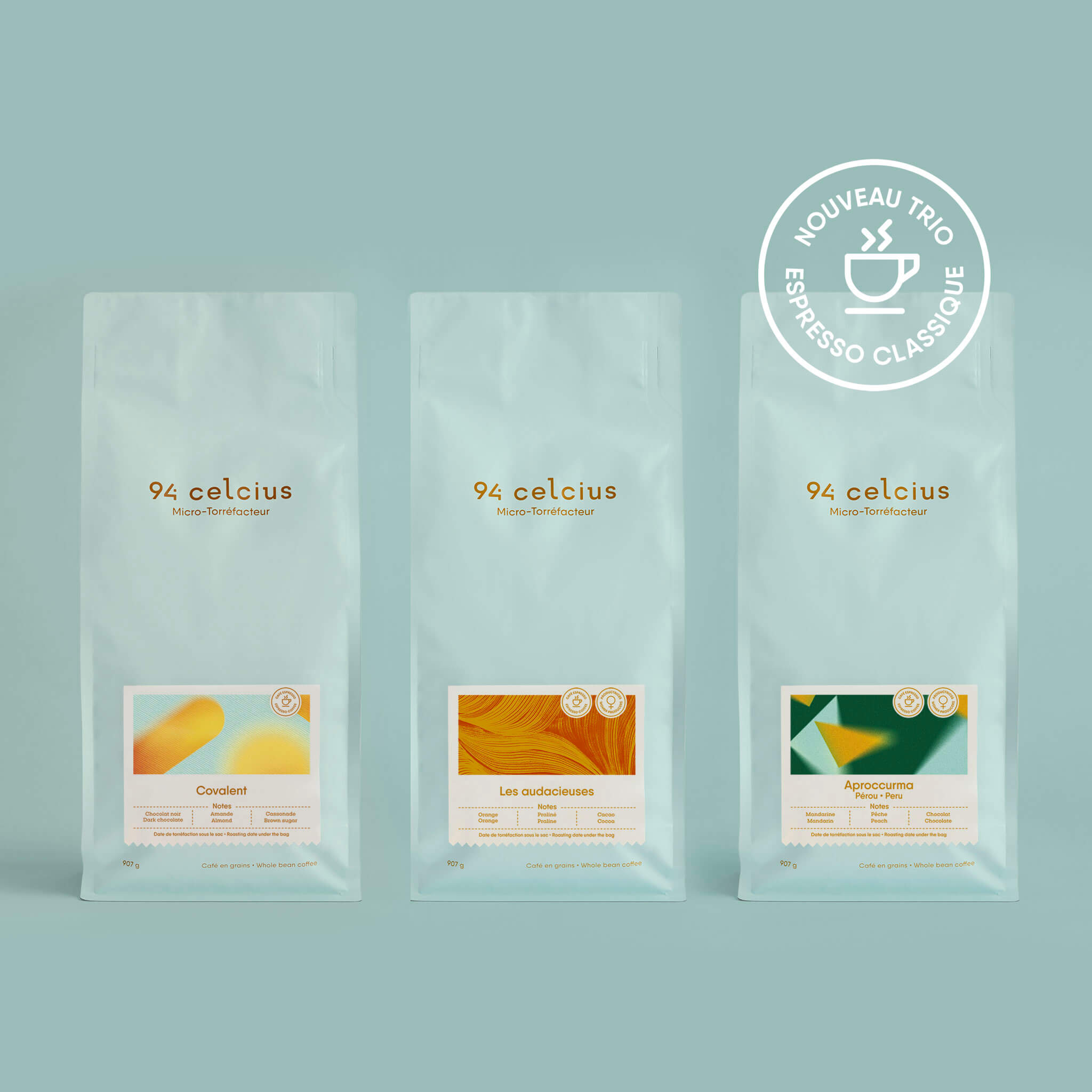
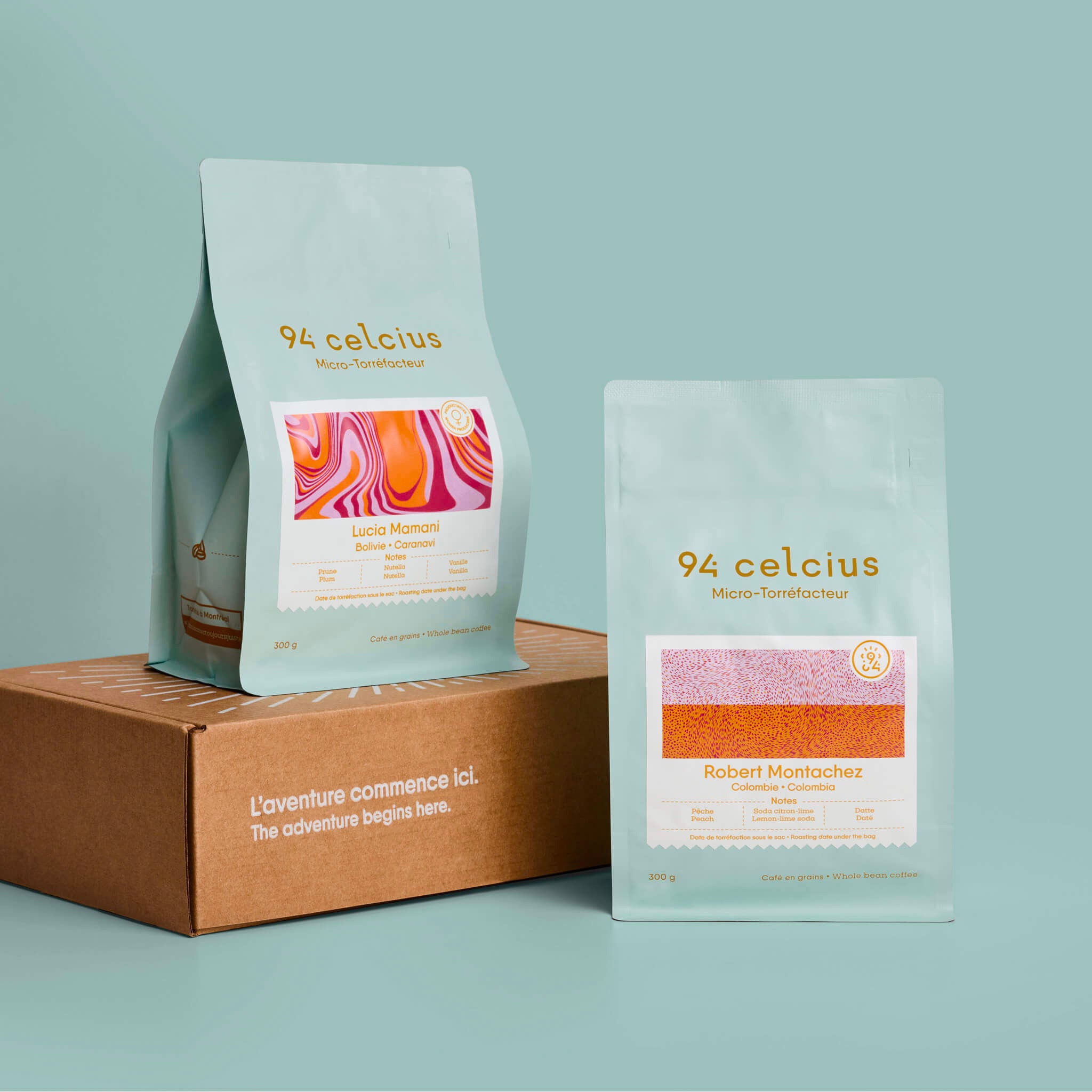
For an exceptional cortado, explore our collection of espresso coffees specially selected and roasted for milk-based preparations. From South American origins with their classic balance to bolder coffees, each option will offer a different experience.
The important thing is to use freshly roasted coffee (ideally 7-30 days after roasting) and grind it just before extraction with a quality grinder.
Creative Cortado Variations
Once you master the classic cortado, several interesting variations are available:
Iced Cortado: Pour a double espresso over ice, add cold milk (not textured). Perfect for summer, maintaining the cortado's signature balance.
Oat Milk Cortado: For the lactose intolerant or vegans, barista oat milk textures excellently and offers complementary natural sweetness.
Cortado con Miel: A touch of local honey added before pouring the milk brings floral sweetness without masking the coffee.
Gibraltar: The Californian version of cortado, served specifically in a 4.5oz Gibraltar glass. Technically identical, but with distinct cultural identity.
Piccolo Latte: Australian close cousin, using a ristretto (short espresso) rather than a full double espresso, creating an even more concentrated drink.
Cortado vs Cappuccino vs Latte vs Flat White: The Comparative Guide
Confusion between these drinks is understandable. All combine espresso and milk, but in radically different proportions and textures. Here's a comparative table for clarity:
| Drink | Total Volume | Espresso:Milk Ratio | Foam | Texture | Coffee Intensity |
| Cortado | 120-180ml (4-6oz) | 1:1 or 1:2 | Very thin (1-2mm) | Velvety liquid milk | Strong - coffee dominant |
| Cappuccino | 180-210ml (6-7oz) | 1:2:2 (espresso:milk:foam) | Thick (2-3cm) | Airy creamy foam | Medium - balanced |
| Latte | 240-360ml (8-12oz) | 1:3 to 1:5 | Thin (5mm) | Silky microfoam milk | Mild - milk dominant |
| Flat White | 180-210ml (6-7oz) | 1:3 | Very thin microfoam | Velvety integrated milk | Medium strong |
| Macchiato | 90ml (3oz) | 1:0.5 | Small spoonful | Light foam | Very strong - espresso dominant |
When to Choose a Cortado?
Choose a cortado if:
- You really want to taste the quality of your specialty coffee
- You find cappuccino too foamy or latte too diluted
- You want a balanced but concentrated drink
- You appreciate silky texture without excessive foam
- You drink your coffee in the afternoon and want something moderate
Choose something else if:
- You want a large comforting drink → Latte
- You love thick foam → Cappuccino
- You want to taste mainly espresso → Macchiato
- You prefer ultra-velvety texture → Flat white
The Origins of Cortado: From Spain to the World
The cortado finds its roots in Spanish coffee culture, particularly in northern regions like Galicia and the Basque Country. In traditional Spanish cafes, the cortado was (and remains) the drink of choice for those who found espresso too intense but refused the excessive dilution of a café con leche (coffee with milk).
Cultural Evolution
In Spain: The cortado is traditionally served in a small transparent glass, allowing you to admire the layers of coffee and milk. It's the perfect drink for an afternoon break, accompanied by a pastry.
In Cuba: A variant called "cortadito" often adds a touch of sugar and uses sweetened condensed milk, creating a sweeter profile adapted to very strong Cuban coffee.
In Specialty Coffee Shops: Since the 2010s, the cortado has conquered specialty coffee shops worldwide. Its elegant simplicity and respect for coffee make it a favorite drink of baristas and enthusiasts who appreciate quality over quantity.
Over time, the cortado has become a symbol of discreet sophistication in the coffee universe, a drink for those who know what they want and who favor balance over excess.
Why the Cortado is Gaining Popularity
In Montreal and Quebec specialty coffee shops, the cortado is experiencing growing popularity. Several factors explain this enthusiasm:
Quality Transparency: The cortado allows no compromise. Mediocre or poorly extracted coffee reveals itself immediately. It's the preferred drink of connoisseurs who want to evaluate coffee quality.
Moderation and Balance: In an era where caffeinated beverages are becoming increasingly large and sweet, the cortado represents a return to essentials—a small, balanced drink without excess.
Specialty Coffee Culture: The rise of specialty coffee in Quebec has educated consumers to appreciate quality over quantity. The cortado perfectly embodies this philosophy.
Technical Accessibility: For baristas, the cortado is more accessible than the complex latte art of flat whites or cappuccinos, while still requiring certain technical mastery.
At 94 Celcius, we notice more and more customers abandoning large lattes in favor of cortados that allow them to truly savor our carefully selected and roasted specialty coffees.
Frequently Asked Questions
What's the difference between a cortado and a macchiato?
The macchiato is much smaller (about 90ml) and much more intense. It's an espresso "marked" with a small spoonful of milk foam, where espresso remains very dominant. The cortado (120-180ml) contains much more milk (1:1 or 1:2 ratio) creating a true balance between coffee and milk. If the macchiato is 90% coffee, the cortado is 50-60% coffee.
Can you make a cortado with plant-based milk?
Yes, absolutely. Barista oat milk (like Oatly Barista or Minor Figures) textures excellently and creates a delicious cortado with naturally sweet flavor. Barista soy milk also works well. Avoid almond or coconut milks that don't texture properly and may separate when in contact with hot espresso. The key is choosing a "barista" version specially formulated for texture and thermal stability.
How much caffeine does a cortado contain?
A cortado contains the same amount of caffeine as a double espresso, approximately 120-160mg depending on coffee type and extraction size. Milk adds no caffeine, it simply dilutes the concentration. It's therefore a more caffeinated drink than a large latte (which generally also uses a double espresso but in much more volume), as the concentration remains high.
Why does my cortado have too much foam?
You probably introduced too much air during texturing. For a cortado, keep the steam wand more deeply immersed in the milk (about 1cm below the surface) and create only 2-3 seconds of audible texturing at the beginning, then submerge completely to simply heat. The milk should be glossy, liquid, and silky, not foamy. Practice aiming for a texture that looks like glossy liquid paint.
Is the cortado drunk at a particular time of day?
In Spain, the cortado is traditionally an afternoon drink (around 4-5pm), after lunch but before dinner. However, there's no strict rule. Its moderate size and balance make it appropriate at any time: as a gentler morning wake-up than espresso, mid-morning break, or after a meal. Just avoid drinking it too late in the evening if you're sensitive to caffeine, as it contains as much caffeine as a double espresso.
Can you add sugar or syrup to a cortado?
Technically, nothing prevents you, but purists will say the cortado is designed to be enjoyed plain. The delicate balance between espresso and milk is precisely calculated to require no additions. Milk already brings natural sweetness (lactose) that softens bitterness. However, if you prefer a sweet touch, start with a very small amount (1/4 teaspoon of sugar) to avoid masking the coffee. Flavored syrups generally go against the minimalist philosophy of the cortado.
Ready to master the cortado at home? Explore our collection of specialty coffees and our barista equipment to create cortados worthy of a professional cafe.